
Stingray is committed to selecting and creating products that are in harmony with the needs of the planet and the well-being of future generations.
A sustainable product takes the entire life cycle into account and seeks to minimize its negative impact on the environment as well as society. Stingray’s “sustainability wheel” is shaped like an infinity sign. Infinity is used to mean something that is not limited and has no end – in the same way that Stingray can always improve and become more and more sustainable day by day.
The UN Sustainable Development Goals
The UN Sustainable Development Goals are the world’s shared plan to eradicate poverty, reduce inequality and stop climate change by 2030. The framework consists of 17 goals and 169 targets. The goals are intended to provide a common global direction for countries, businesses and civil society. They were developed through a democratic process involving input from countries around the world, and nearly ten million people had the opportunity to share their views.
The UN Sustainable Development Goals are one of the main pillars of Stingray’s sustainability strategy.
End hunger, achieve food security, improve nutrition, and promote sustainable agriculture
2.1) By 2030, end hunger and ensure access for all people, particularly the poor and people in vulnerable situations, including infants, to sufficient, safe and nutritious food all year round.
- 2.4) By 2030, ensure sustainable food production systems and implement resilient agricultural practices that increase productivity and production, help maintain ecosystems, strengthen the capacity to adapt to climate change, extreme weather, drought, flooding and other disasters, and progressively improve land and soil quality.
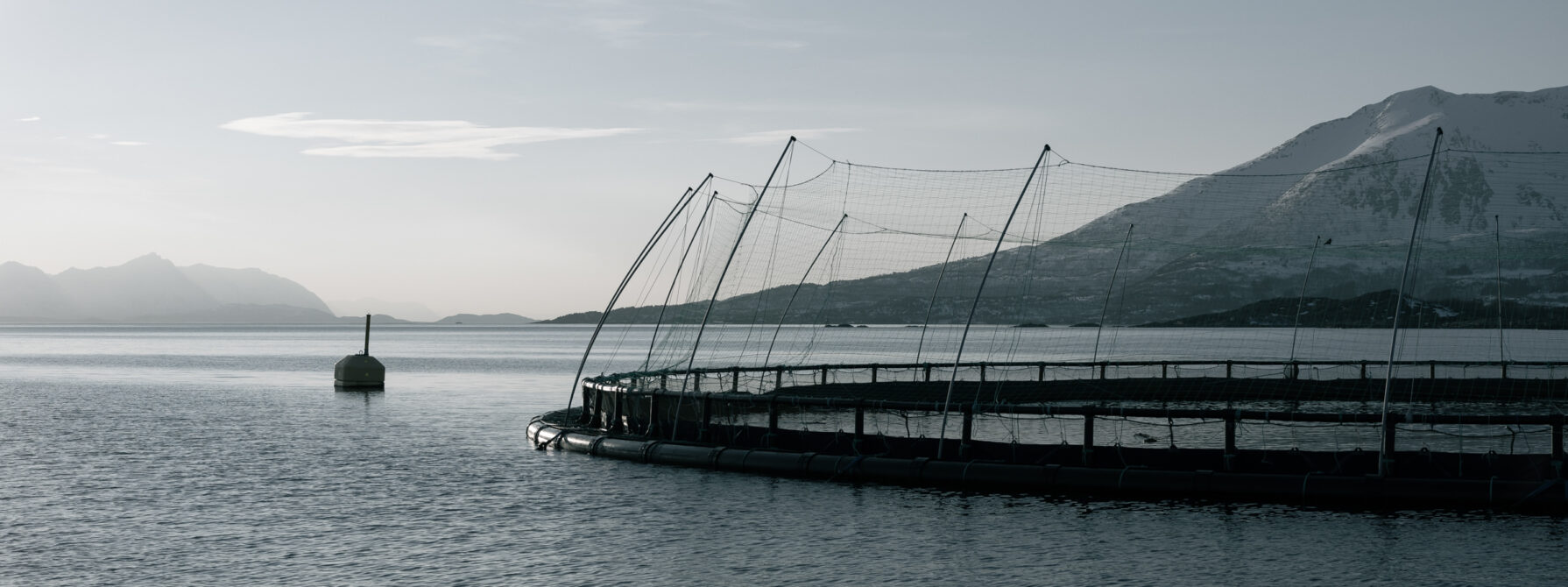
Stingray works every day towards the vision of helping fish farmers achieve “Smarter harvesting from the sea” by developing intelligent applications that provide better control of both sea lice and production, without handling the fish.
For fish farmers, this includes a reduced need for alternative sea lice treatments involving fasting and handling. This supports increased productivity and greater predictability when working to ensure access to safe, nutritious and sufficient food throughout the year.
Through Stingray Online, fish farmers have full insight into and control of the entire seawater phase of production and can share this information with consumers. Traceability systems provide consumers with information about the origin and handling of the food they purchase, giving them confidence that the products are safe and of high quality.
Greater control enables more efficient use of resources in food production. This can reduce environmental impact and help ensure that more people have access to safe food.
Promote sustained, inclusive, and sustainable economic growth, full and productive
8.4) Through 2030, progressively improve global resource efficiency in consumption and production and work to decouple economic growth from environmental degradation, in accordance with the ten-year framework of programmes on sustainable consumption and production, with developed countries taking the lead. This is also partly covered by Sustainable Development Goal 12.
- 8.5) By 2030, achieve full and productive employment and decent work for all women and men, including young people and people with disabilities, and achieve equal pay for work of equal value.
- 8.6) By 2020, substantially reduce the proportion of young people who are not in employment, education or training. eller opplæring.
- 8.8) Protect labour rights and promote safe and secure working environments for all workers, including migrant workers, particularly women migrants, and people in insecure employment.
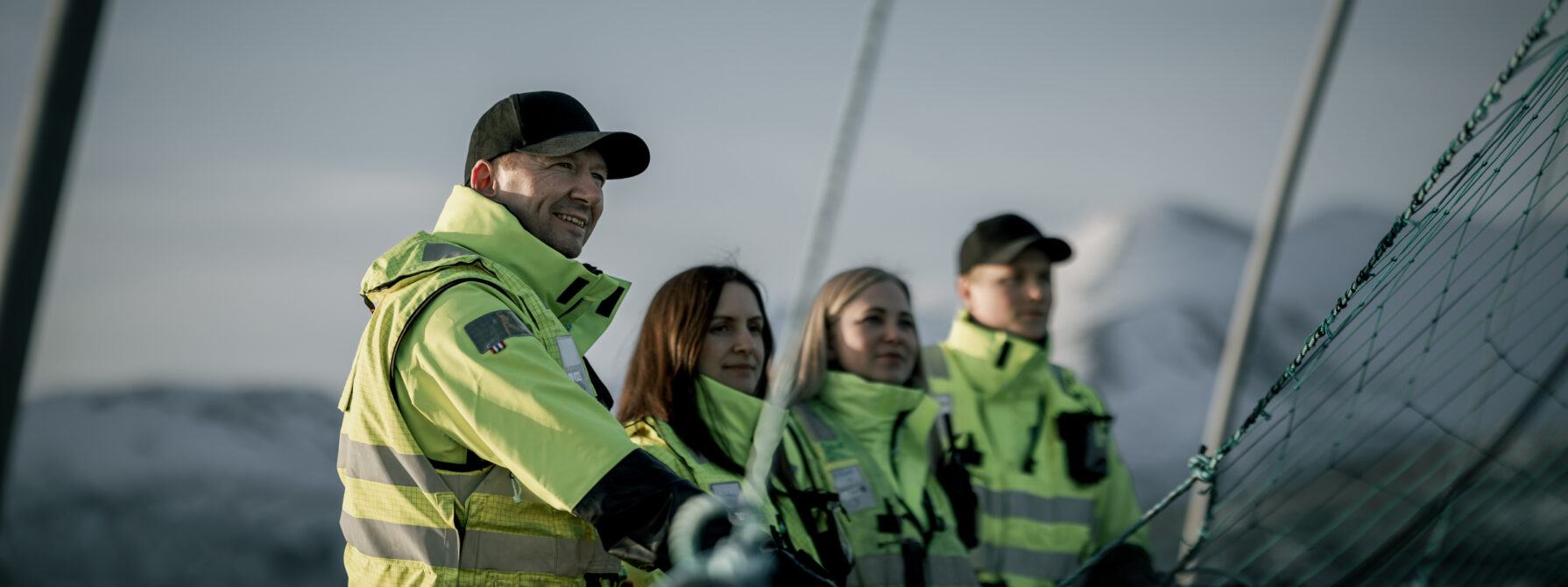
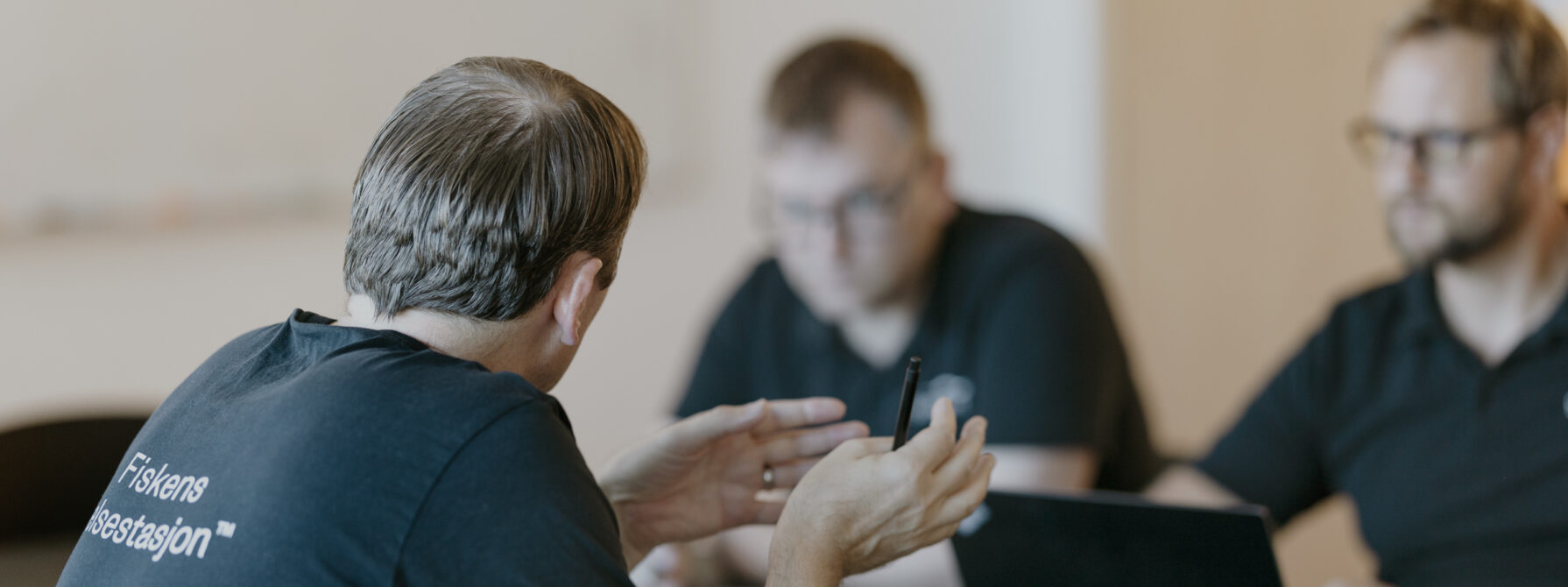
Stingray will continue to focus on competence development, inclusive growth and decent working conditions throughout the value chain, because we believe this supports economic growth as well as social and environmental sustainability.
Stingray is growing rapidly and creating jobs across several professional fields.
Stingray has a young workforce and has worked closely with schools in the Oslo region and the Norwegian Labour and Welfare Administration, NAV, for several years. Several Stingray employees have received, and continue to receive, permanent employment after completing apprenticeships, work training or internships alongside their studies.
At Stingray all employees are valued members of the team, regardless of background, physical capability, previous experience or education.
Stingray will continue to focus on competence development, inclusive growth and decent working conditions throughout the value chain, because the company believes this supports economic growth as well as social and environmental sustainability.
Build resilient infrastructure, promote inclusive and sustainable industrialization, and foster innovation
9.4) By 2030, upgrade infrastructure and retrofit industries to make them more sustainable, with increased resource-use efficiency and greater adoption of clean and environmentally sound technologies and industrial processes.
Information technology is essential for creating sustainable development. The rapid growth of information requires the ability to filter data and make use of the digital knowledge landscape, enabling the aquaculture industry to optimise and further develop the production of sustainable seafood.
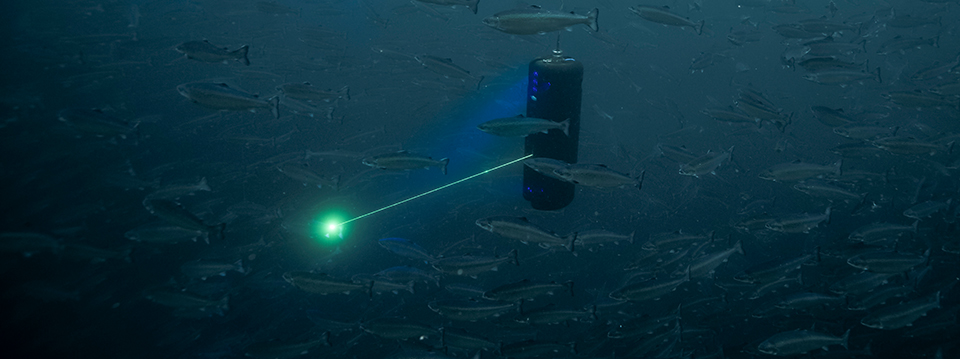
The Stingray system significantly reduces the reliance on fish treatments that would otherwise require handling. At the same time, Stingray continues to research and develop advanced technology, including artificial intelligence, that can further improve the aquaculture industry.
In 2023, Stingray moved into brand-new production facilities connected to Oslo’s district heating system. Stingray’s Northern Norway division was also established in the region’s first BREEAM Excellent-certified building. Solar panels have been installed on the roof, together with an energy loop in the sea that provides energy for heating and for charging vehicles and boats.
Stingray continues to develop the circular business model and optimise the use of raw materials through improved planning and supply chain management. Reusing and recycling materials helps reduce waste.
The Stingray system monitors and optimises production processes in real time. Through Stingray Online, fish farmers have access to historical and real-time data that provide better control of growth and fish welfare. Production planning becomes both easier and more sustainable. Stingray’s advisers help fish farmers analyse data to optimise operations, improve efficiency and reduce the need for fish treatments.
By maintaining control of changes in sea lice levels and other welfare indicators, fish farmers can avoid unnecessary treatment of fish in the sea cages. They can also prevent lice levels from becoming so high that fish welfare is compromised. Preventing disease rather than treating it is important for reducing environmental impact and improving fish welfare.
Ensure sustainable consumption and production patterns
12.2) By 2030, achieve sustainable management and efficient use of natural resources.
- 12.3) By 2030, halve per capita global food waste at retail and consumer levels and reduce food losses throughout production and supply chains, including post-harvest losses.
- 12.4) By 2020, achieve the environmentally sound management of chemicals and all forms of waste throughout the lifecycle, in accordance with agreed international frameworks, and significantly reduce releases of chemicals and waste to air, water and soil to minimise adverse effects on human health and the environment.
- 12.5) By 2030, substantially reduce waste generation through prevention, reduction, recycling and reuse.
Manufacturing companies should aim to use natural resources efficiently and reduce waste throughout production and supply chains. They should substantially reduce releases of chemicals and waste to air, water and soil to minimise adverse effects on human health and the environment. By 2030, waste generation should be substantially reduced through prevention, reduction, recycling and reuse.
The Stingray node is primarily made from materials that are recycled and/or recyclable, such as aluminium. The mechanical components are designed to withstand a minimum of four years in operation. When a node reaches the end of the service life, it is returned to Stingray for disassembly, reuse and recycling.
The energy-efficient Stingray system enables fish farmers to use natural resources more efficiently by reducing waste throughout the production chain.
Fish in sea cages equipped with Stingray nodes are less exposed to fasting and handling and therefore experience fewer welfare issues. Fish farmers avoid lost feeding days and reduce the need for large fossil-fuel-powered vessels that are often used during mechanical treatments. The use of laser nodes reduces the need for alternative treatments and therefore lowers treatment-related emissions.
Stingray helps reduce manual operations and contributes to improved health, safety and working conditions at fish farms. Fish farmers can therefore achieve smarter harvesting from the sea from their control rooms.
Conserve and sustainably use the oceans, seas, and marine resources
14.1) By 2025, prevent and significantly reduce marine pollution of all kinds, particularly from land-based activities, including marine debris and nutrient pollution.
Manufacturing companies should help ensure the availability of sustainable food production systems that increase productivity and production while supporting the maintenance of ecosystems.
The Stingray system does not release pollutants into the sea and is designed to have minimal impact on the fish. It supports increased productivity at fish farms by providing effective control of sea lice, fish welfare and growth.
Mechanical sea lice removal can increase the risk of fish escaping. By removing sea lice with laser technology, fish farmers can reduce the potential risks associated with escapes and injuries to farmed salmon and trout, as well as reduce the risk of negative impacts on wild salmon and trout populations.
Stingray aims to help fish farmers support the Five Freedoms of animal welfare:
Freedom from hunger and thirst – the Stingray system reduces the need to fast fish before mechanical sea lice treatments.
Freedom from discomfort – the Stingray system allows fish to remain in a suitable environment without handling.
Freedom from pain, injury and disease – the Stingray system helps prevent disease, supports the early identification of potential welfare issues and enables faster treatment.
Freedom to express normal behaviour – the Stingray system removes sea lice while the fish continue to swim undisturbed in the sea cage.
Freedom from fear and distress – the Stingray system enables fish farmers to keep and treat fish in ways that help avoid prolonged fear and stress.