
Product Development
Product development
Development

Experience and data from nodes operating in more than two thousand fish pens are fed back into the development process. This continuous learning helps improve system performance, increase robustness, extend product lifetime and support reliable 24/7 operation.
Stingray has chosen to develop and manage the key hardware, software and digital infrastructure that supports its solutions. This includes infrastructure deployed at fish-farming sites, as well as the cloud and data-centre infrastructure used to process, store and make operational data available. Close integration of these elements enables Stingray to improve the performance, reliability and long-term development of the complete system.
Continuous Improvement
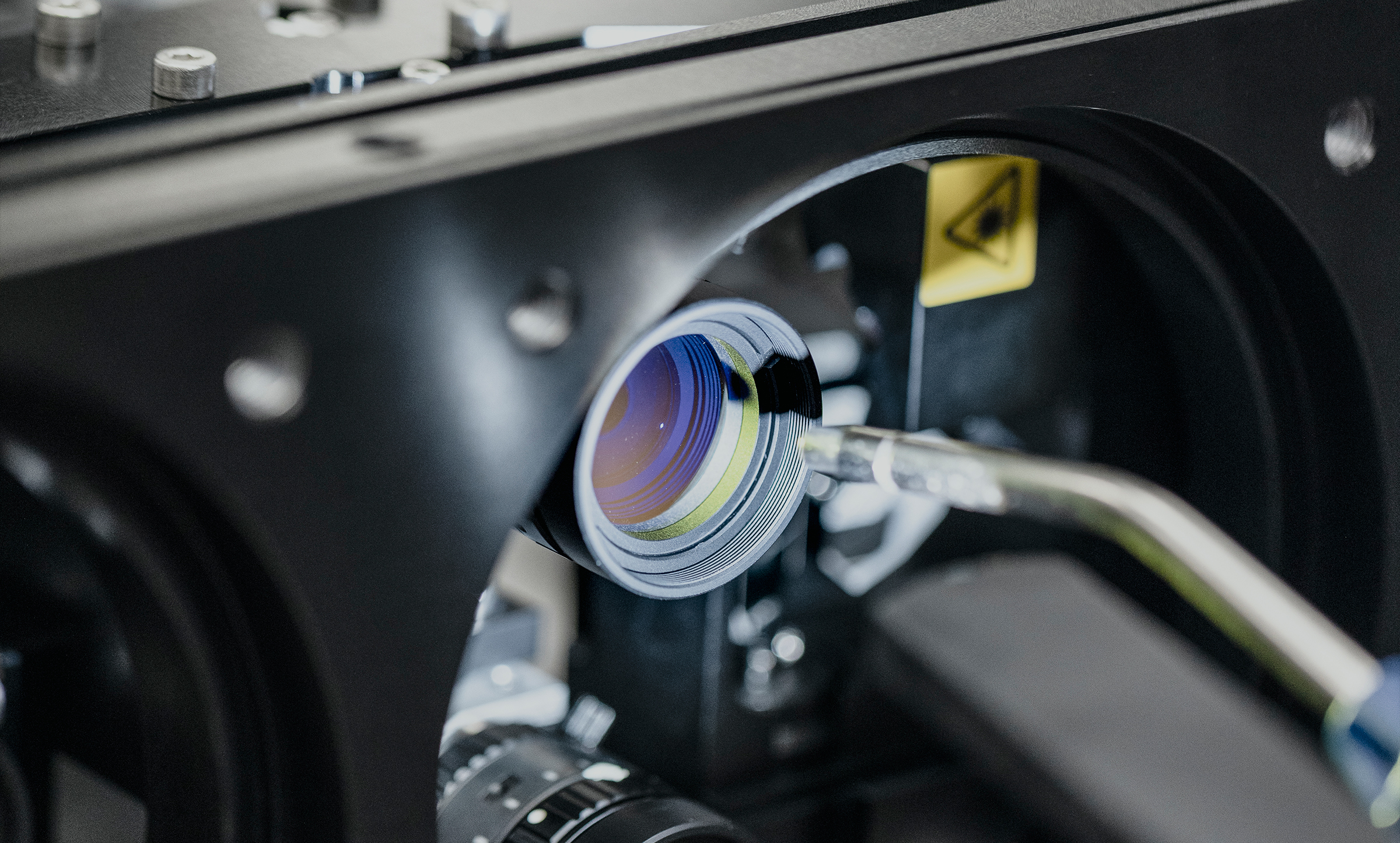
The Stingray node consists of a bouy and a laser unit. Key components in the Stingray node, such as cameras, GPUs+ , and laser components, evolve rapidly. Where newer versions of these components can improve the node’s performance, Stingray will incorporate them.
Similarly, the software that operates the autonomous+ laser system is continuously developed and improved. Through iterative+ development, algorithms are refined to improve the speed, accuracy and reliability of sea lice detection and removal, while making efficient use of processing power and other system resources.
Software and hardware development are closely connected. As cameras, computing components and GPUs evolve, the node software is adapted to make use of improved functionality and performance. This integrated approach enables Stingray to enhance the system without replacing the entire node.
Regular software updates improve performance, security and reliability throughout the operational lifetime of the system. They also allow new functionality and improvements to be deployed across existing nodes, helping to extend their lifetime and reduce the need for hardware replacement.
Software development at Stingray is organised into four main areas: Infrastructure, Node Software, Machine Learning and Application Development. Together, these areas support the continuous development of the Stingray system and the digital services surrounding it.
Machine Learning
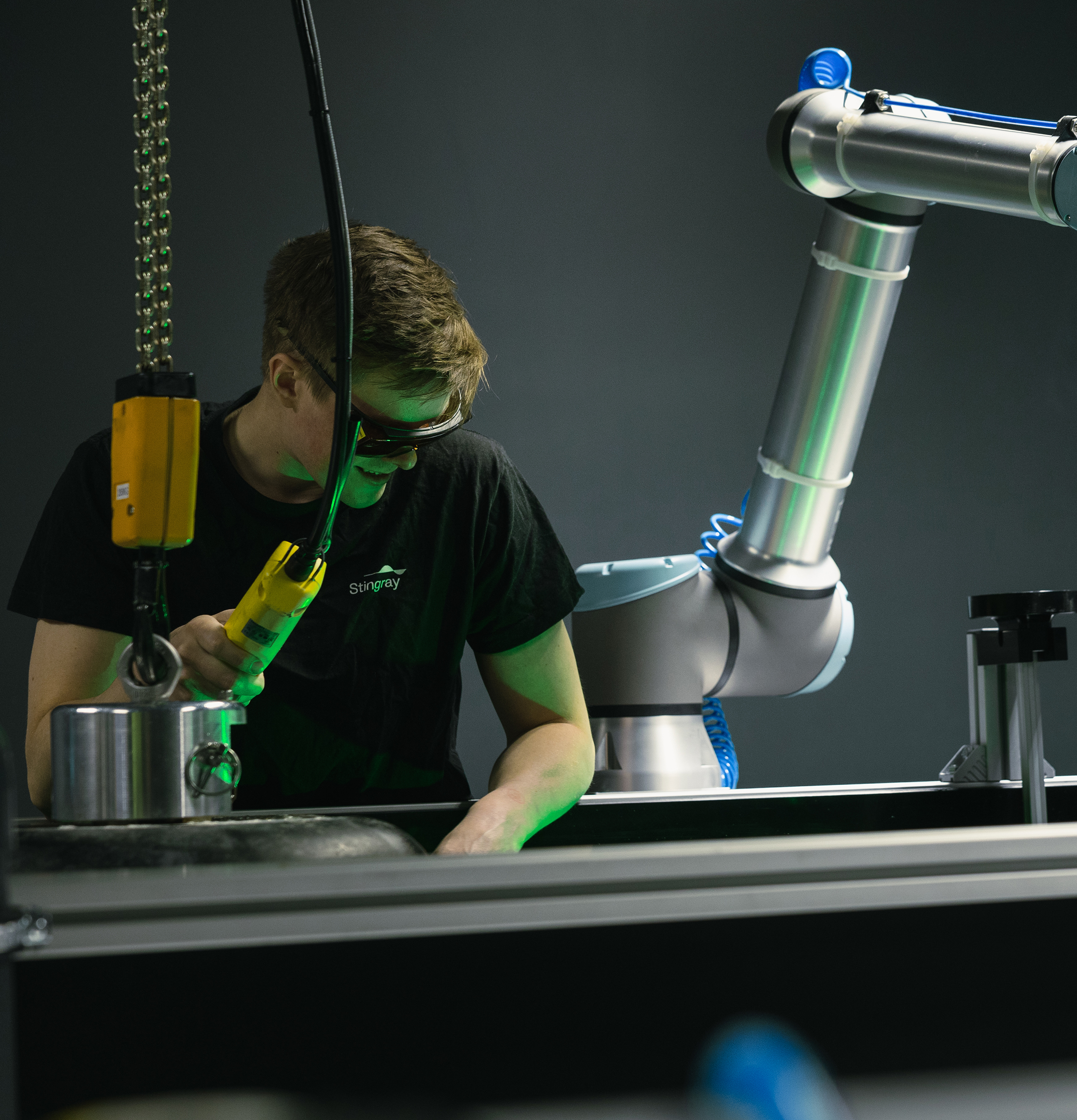
Operational data and images from Stingray nodes provide an important foundation for continuous system improvement. Through data annotation, training and evaluation, Stingray’s machine learning+ models and detectors+ are continuously refined. Improving a machine learning system involves training new models, known as “candidates”, using collected data. Each new candidate is then compared with the existing model already in use. The existing model is only replaced if the new candidate performs better.
Stingray’s Machine Learning teams is responsible for developing and improving these models, while specialists from the AQUA team contribute by annotating and evaluating the data used to train them.
This process enables the system to recognise sea lice and other relevant fish characteristics with increasing accuracy. Stingray also develops detectors for welfare indicators such as wounds, sexual maturation and fish size. The resulting insights support both the performance of the laser system and the information made available to fish farmers through Stingray Online.
Applications and digital platforms
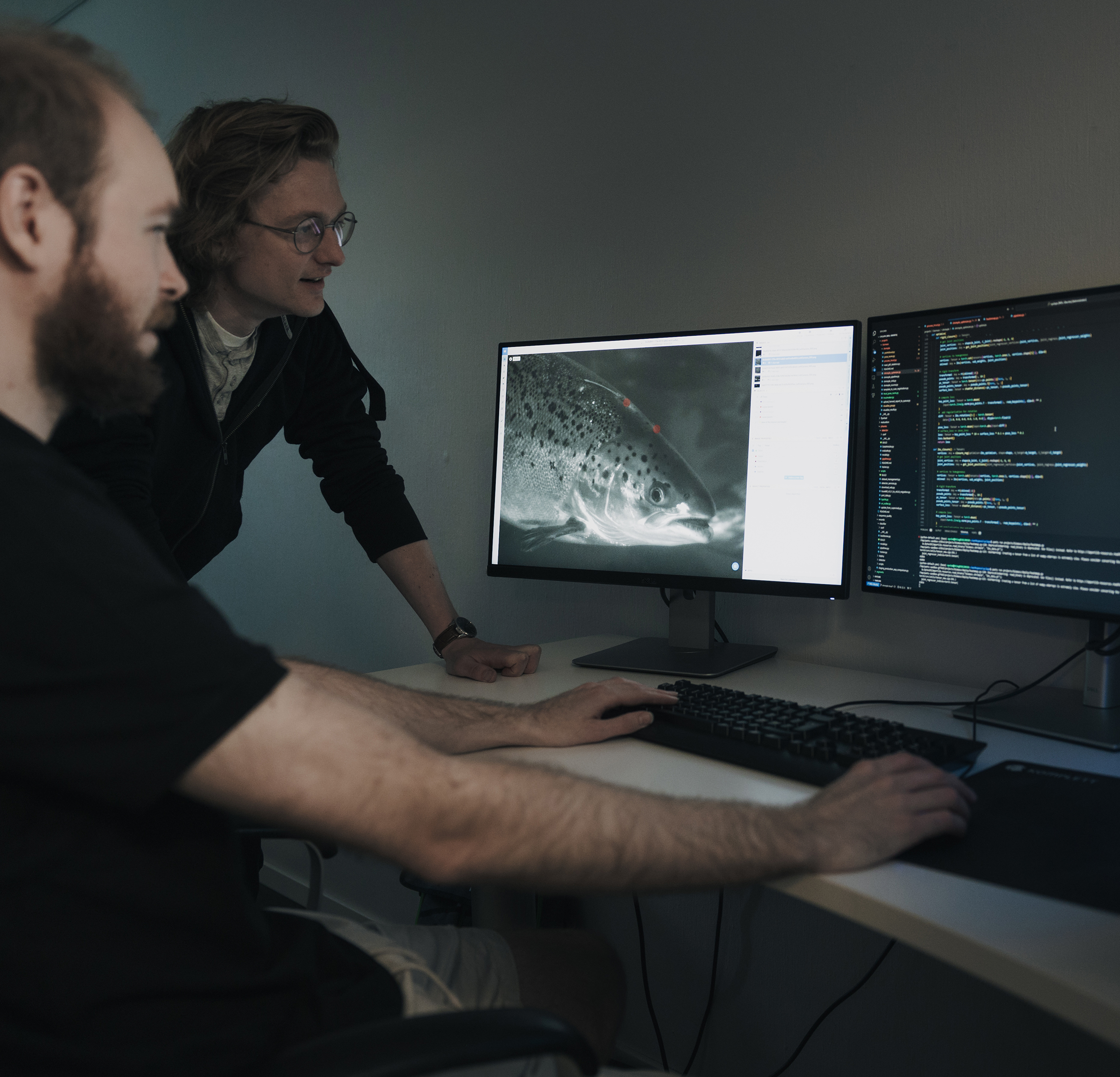
In addition to the software operating the Stingray nodes, Stingray develops digital systems and applications used throughout the organisation and by its customers. These include laser control systems, customer applications, production systems, monitoring and data-collection systems, and analytical tools.
Stingray continuously develops its software architecture, applications and digital platforms. These solutions connect data from the nodes with the people who monitor, operate and use the system.
Applications are developed for both internal and customer use. For fish farmers, the continued development of Stingray Online is particularly important.
Through Stingray Online, customers can access historical and real-time data from connected nodes across their sites. Interactive dashboards make it possible to explore production data and monitor fish welfare. Customers can also analyse sea lice data through Sequence Analyser and manage node positioning through Navigator.
Together the applications are built through collaboration between Stingray’s different development teams. The nodes collect data, which models developed by the Machine Learning team convert into fish-related data. To make this data available in the applications, it is stored in databases and made accessible through systems developed by the Application team.
Stingray Online is continuously developed and improved based on customer feedback, goals set by management, input from other teams, and ongoing experience gained from operating the system.
Product development
Design & Materials
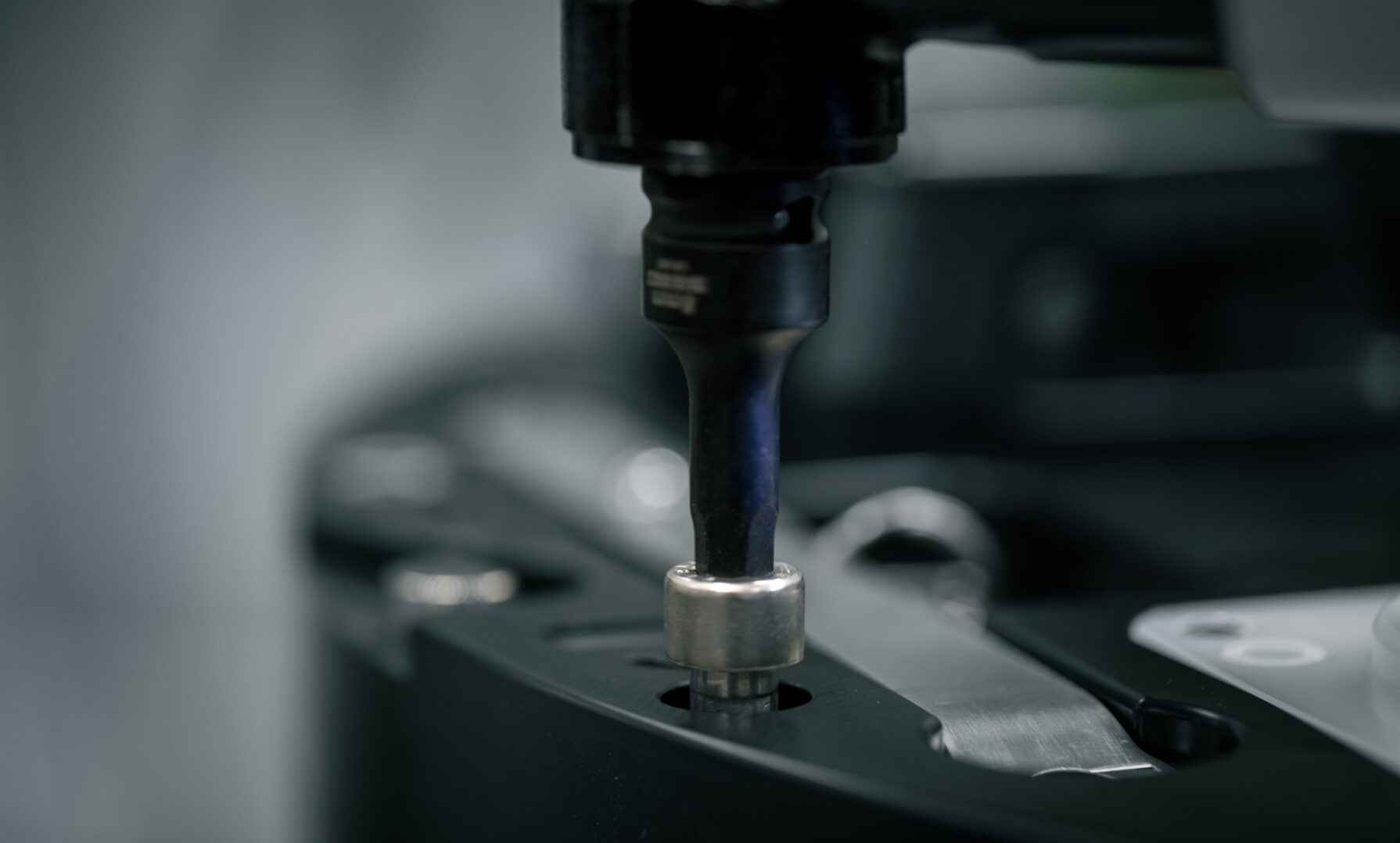
Design and material choices influence the environmental impact of the Stingray system throughout its lifecycle. Stingray therefore continuously refines its hardware and software to improve robustness, and extend operational lifetime.
Recycled and recyclable materials are prioritised where technically and commercially feasible, helping to reduce resource consumption, component replacements and waste.
Hardware design
Stingray’s hardware is designed to withstand the demanding conditions of marine aquaculture, ensuring long-term durability and reduced maintenance requirements.
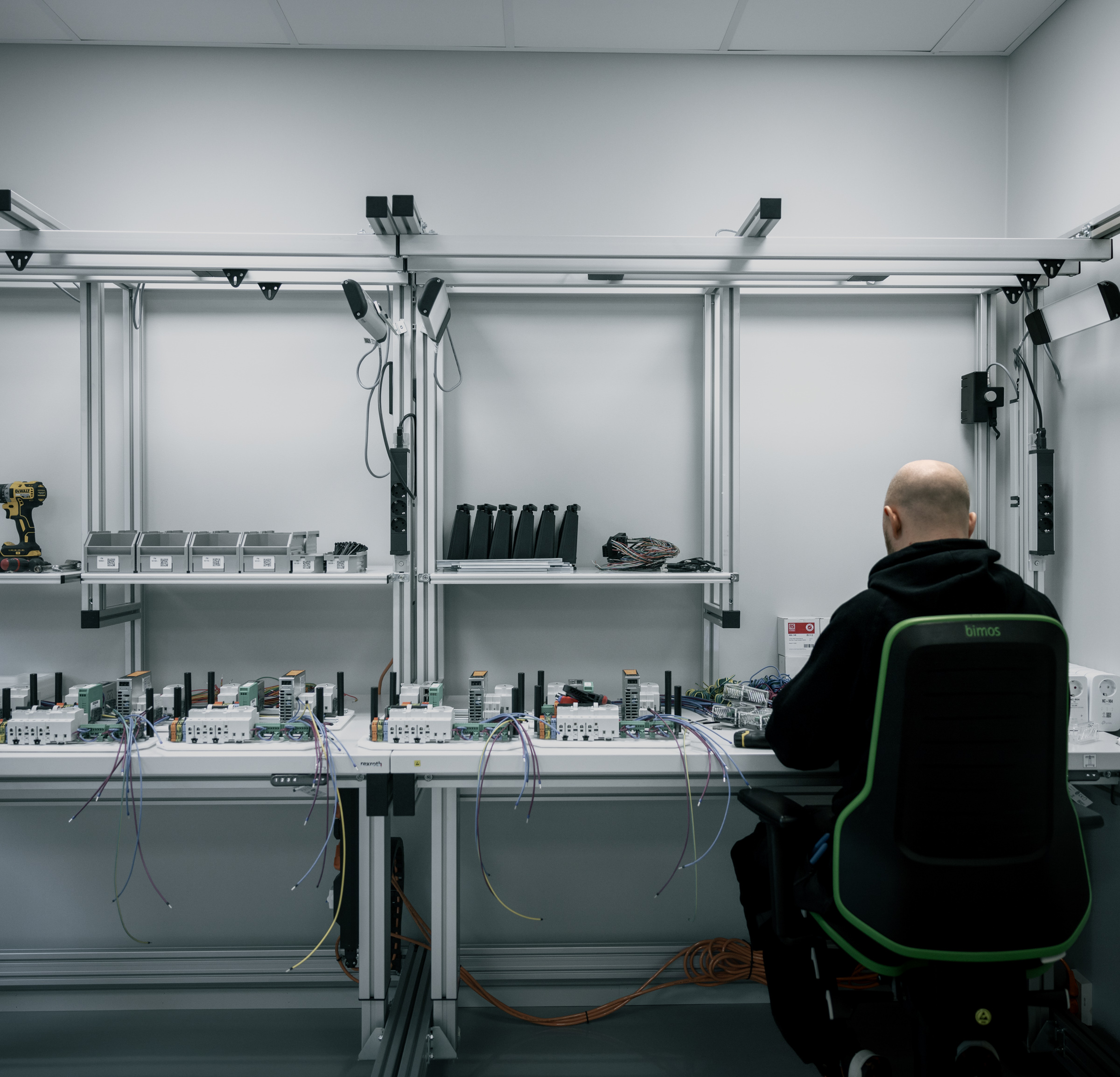
The modular design allows individual subassemblies to be maintained, replaced or upgraded without replacing the entire node. This simplifies maintenance, limits the number of components that must be replaced in the event of damage, and facilitates both assembly and disassembly.
As technology advances, Stingray evaluates new components and design solutions that can improve the node’s durability, performance and environmental profile. Experience gained from production, operation, maintenance and returned equipment is fed back into the design process, supporting the continuous improvement of future node generations.
Stingray also works to reduce the number of parts and component variants used in the node. Standardisation helps reduce complexity, improve maintenance and inventory management, and limit material waste.
Software design
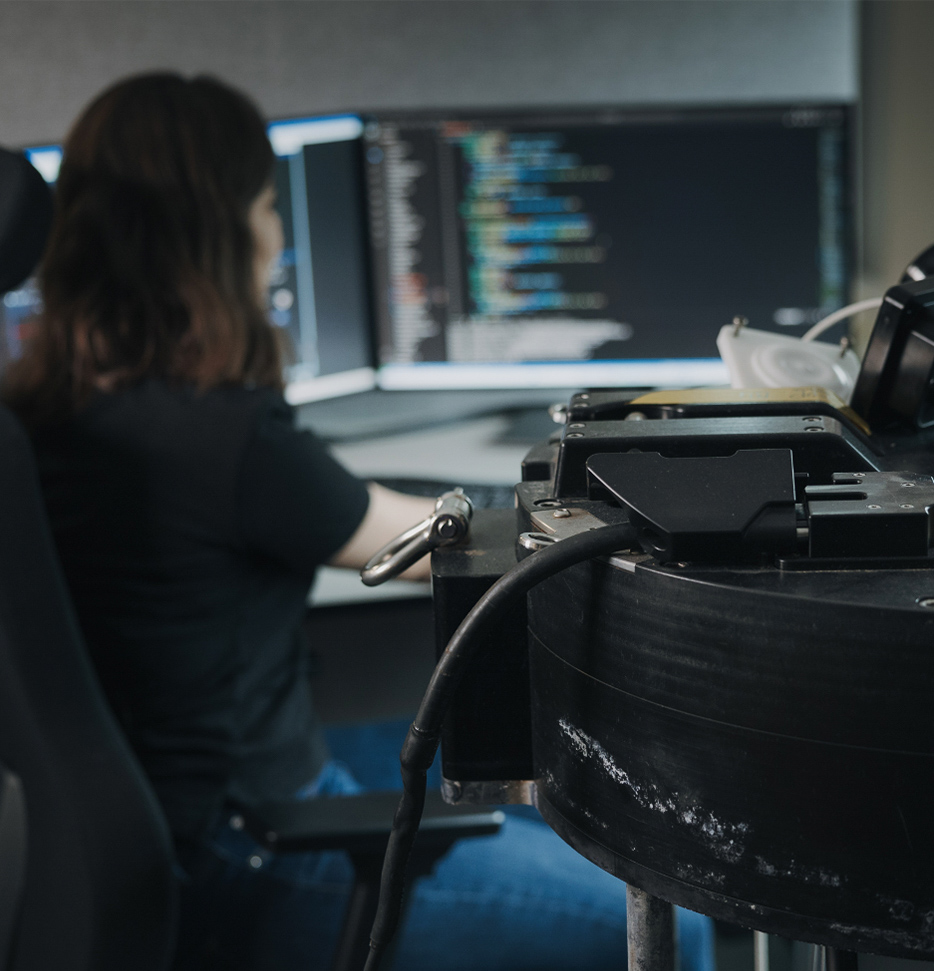
Stingray’s software is designed for continuous development, maintenance and deployment throughout the operational lifetime of the system. A modular software architecture allows individual functions and components to be updated without extensive rewriting of the underlying code.
Software is continuously optimised to make efficient use of processing power, memory, bandwidth and data storage. Data compression reduces the volume of data transferred and stored, while regular updates allow performance improvements and new functionality to be deployed to existing nodes. This helps extend the value and functionality of the hardware without requiring the entire system to be replaced.
Stingray uses cloud and data-centre services to support the operation, storage and processing needs of its digital solutions. When selecting these services, Stingray considers factors such as energy efficiency, scalability, reliability, data security and the environmental practices of the service provider. Scalable solutions allow computing and storage capacity to be adapted as needs change, supporting more efficient use of digital infrastructure.
As a trusted provider of critical operational data, Stingray places a strong emphasis on cybersecurity and data privacy. Systems and security measures are continuously maintained and improved to protect customer data and respond to evolving cyber threats.
Product development
Testing
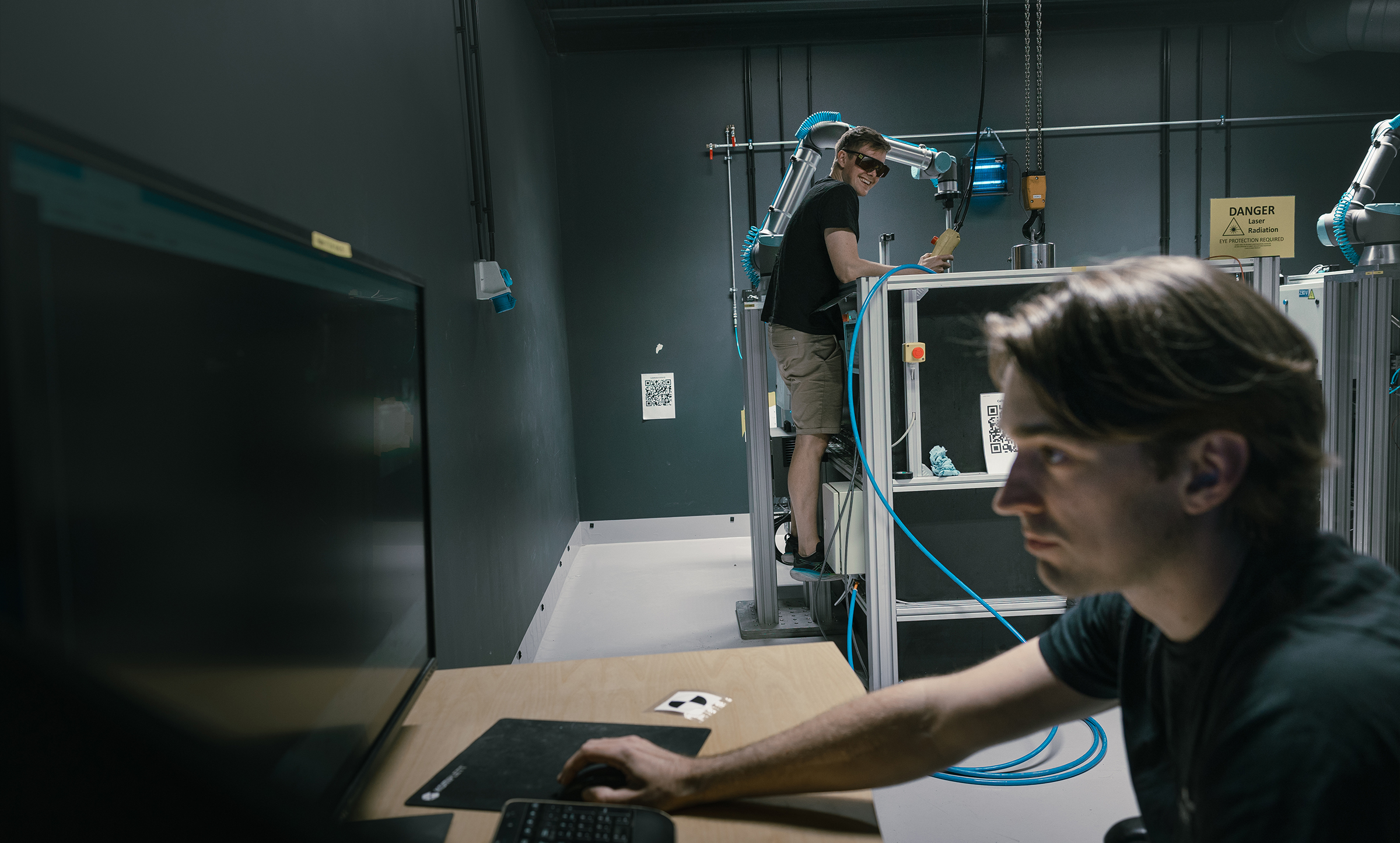
Testing both hardware and software can support sustainability by improving efficiency, reducing resource use and minimising environmental impact.
Identifying defects and performance issues early improves product quality and reliability while reducing rework, resource use and the risk of failures later in the system’s lifecycle.
Testing and quality assurance
Hardware and software are tested throughout the development process
Automated testing enables both hardware and software to be tested efficiently with minimal manual intervention. Tests can also run outside normal working hours, accelerating development and providing faster feedback to development teams.
For hardware, testing helps identify defects before components enter production or completed nodes are deployed. This reduces the risk of faulty parts, unnecessary material use, maintenance and premature component replacement.
For software, testing helps developers identify errors, performance issues and inefficient code. Optimising the code can reduce processing power, memory requirements and energy consumption when the software is running.
Early detection and correction reduce the need for rework, corrective updates and unplanned maintenance. This contributes to reliable operation, more efficient use of resources and a longer operational lifetime for the Stingray system.
