Development
Experience and data from nodes operating in more than two thousand fish pens are fed back into the development process. This continuous learning helps improve system performance, increase robustness, extend product lifetime and support reliable 24/7 operation.
Stingray has chosen to develop and manage the key hardware, software and digital infrastructure that supports its solutions. This includes infrastructure deployed at fish-farming sites, as well as the cloud and data-centre infrastructure used to process, store and make operational data available. Close integration of these elements enables Stingray to improve the performance, reliability and long-term development of the complete system.
Continuous Improvement
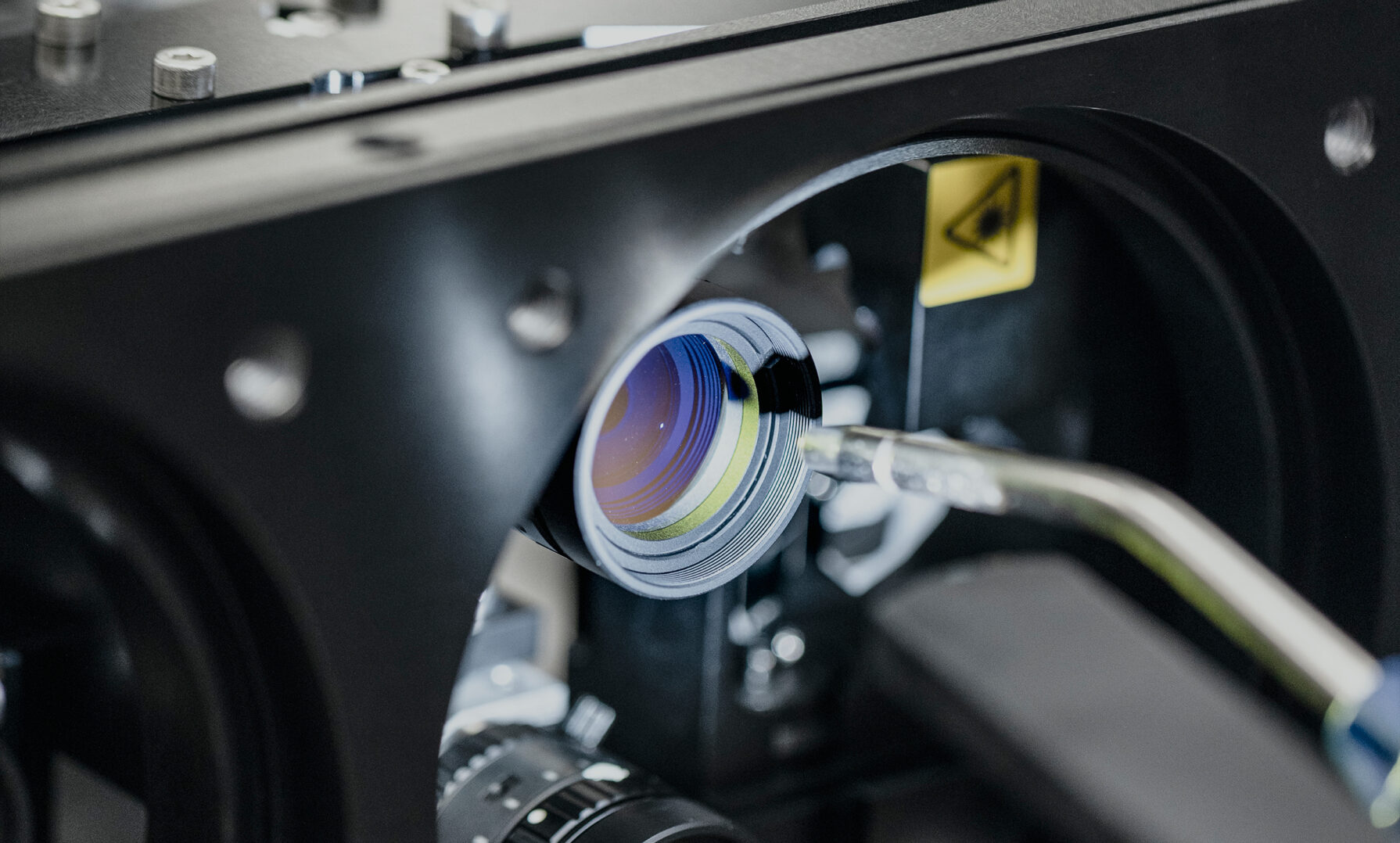
The Stingray node consists of a bouy and a laser unit. Key components in the Stingray node, such as cameras, _GPUs_ , and laser components, evolve rapidly. Where newer versions of these components can improve the node’s performance, Stingray will incorporate them.
Similarly, the software that operates the _autonomous_ laser system is continuously developed and improved. Through _iterative_ development, algorithms are refined to improve the speed, accuracy and reliability of sea lice detection and removal, while making efficient use of processing power and other system resources.
Software and hardware development are closely connected. As cameras, computing components and GPUs evolve, the node software is adapted to make use of improved functionality and performance. This integrated approach enables Stingray to enhance the system without replacing the entire node.
Regular software updates improve performance, security and reliability throughout the operational lifetime of the system. They also allow new functionality and improvements to be deployed across existing nodes, helping to extend their lifetime and reduce the need for hardware replacement.
Software development at Stingray is organised into four main areas: Infrastructure, Node Software, Machine Learning and Application Development. Together, these areas support the continuous development of the Stingray system and the digital services surrounding it.
Machine Learning
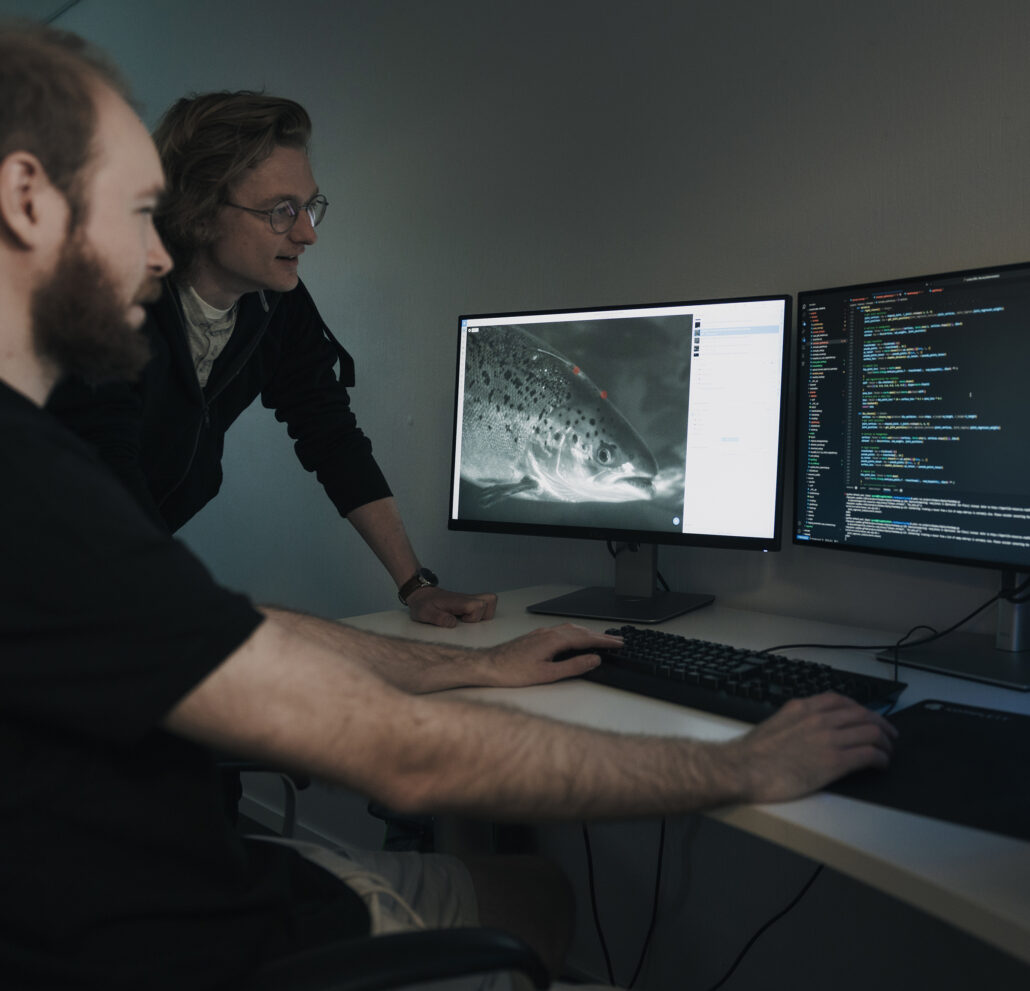
Operational data and images from Stingray nodes provide an important foundation for continuous system improvement. Through data annotation, training and evaluation, Stingray’s _machine learning_ models and _detectors_ are continuously refined.
This process enables the system to recognise sea lice and other relevant fish characteristics with increasing accuracy. Stingray also develops detectors for welfare indicators such as wounds, sexual maturation and fish size.
The resulting insights support both the performance of the laser system and the information made available to fish farmers through Stingray Online.
Applications and digital platforms
In addition to the software operating the Stingray nodes, Stingray develops digital systems and applications used throughout the organisation and by its customers. These include laser control systems, customer applications, production systems, monitoring and data-collection systems, and analytical tools.
Stingray continuously develops its software architecture, applications and digital platforms. These solutions connect data from the nodes with the people who monitor, operate and use the system.
Applications are developed for both internal and customer use. For fish farmers, the continued development of Stingray Online is particularly important.
Through Stingray Online, customers can access historical and real-time data from connected nodes across their sites. Interactive dashboards make it possible to explore production data and monitor fish welfare. Customers can also analyse sea lice data through Sequence Analyser and manage node positioning through Navigator.
Together, Node Software, Machine Learning and Stingray Online form a continuous data and improvement loop: the nodes collect data, machine-learning models convert the data into insights, and applications make those insights available to Stingray and its customers.
Operational experience is then fed back into further product development.