

A year of building the baseline
The 2025 Sustainability Report reflects a shift from intention to measurement. This year Stingray completed its first Life Cycle Assessment, obtained a certified Environmental Product Declaration for the Stingray node, moved its greenhouse gas accounting from spend-based to activity-based data, and published independent modelling of the sector-level climate impact of preventive lice control.
The report is structured around what is material to Stingray’s business, and to yours. The topics it covers are the ones regulators, certification bodies and customers are increasingly asking about:
- Treatment intensity, fish welfare, cleaner fish use, emissions, biodiversity risk, and responsible sourcing.
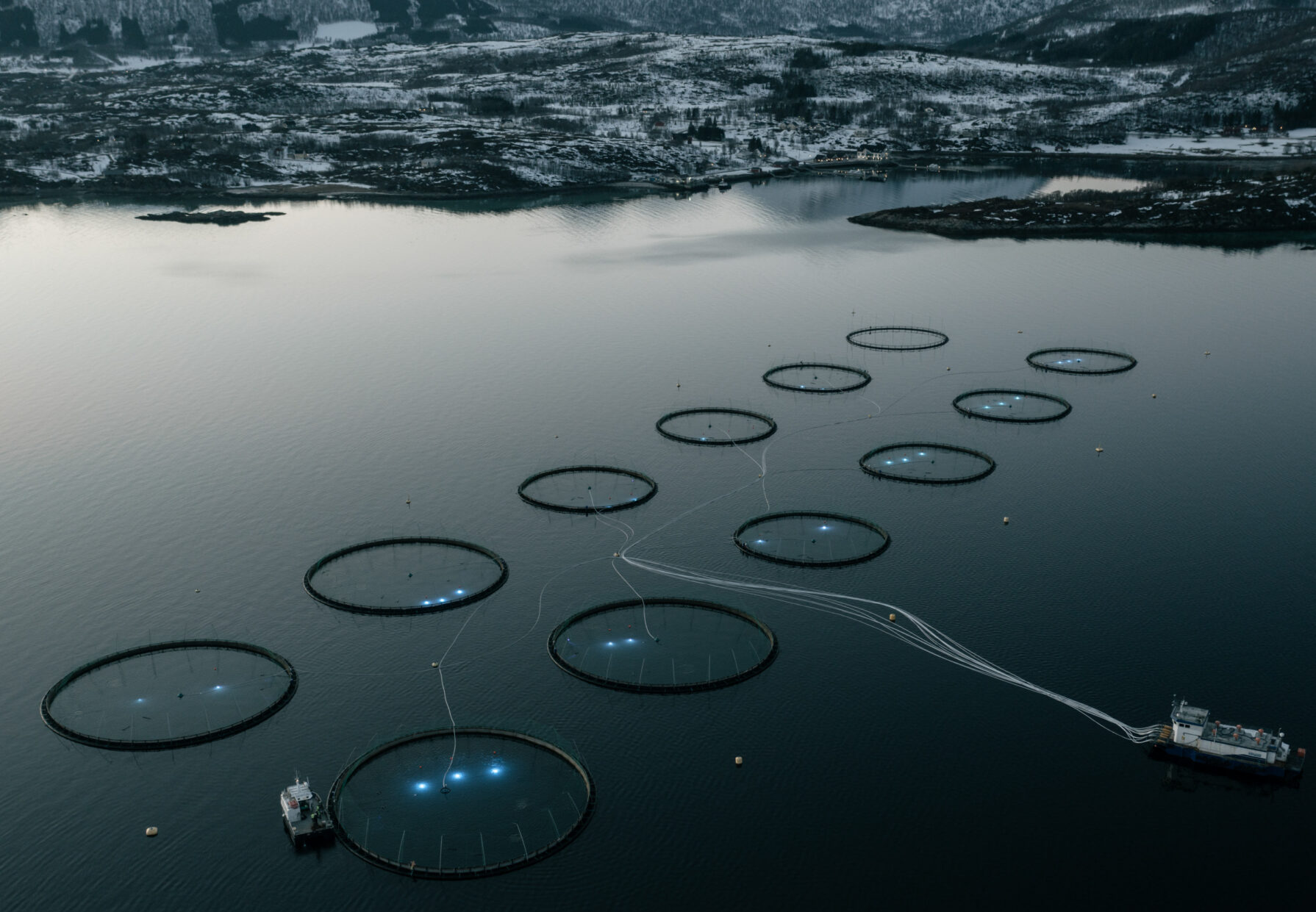
120 million fish monitored every day across 173 active sites in 2025
What’s in it for farmers
The report contains data you can use. Treatment frequency comparisons, cleaner fish use at Stingray sites, peer-reviewed evidence on welfare outcomes, and a verified EPD for the node you operate on your sites. If you work with Stingray, you’re not starting from zero.
Four things in the report worth reading:
- Independent emissions modelling by the Terravera Foundation: 106,000 tCO₂e potential annual saving from optical delousing
- Peer-reviewed evidence of 50% reduction in treatment frequency (Worm et al., 2026)
- Stingray customers: 25% of national production weeks, 2.3% of national cleaner fish deployed
- First certified EPD for the Stingray node: 8.1 tCO₂e per node across full lifecycle
Download the full report or get in touch if you’d like a hard copy
Read the report