
Software as an enabler
Software updates are delivered to Stingray nodes continuously and remotely, improving diagnostics, detection and operational performance across both newer and older node generations. That means functionality improvements don’t require a physical hardware swap. As Software Manager Espen Børrud puts it
“This extends the lifetime of the node rather than driving a replacement cycle, a direct resource efficiency outcome, not just a technical convenience.”
Detectors that keep learning and data you can act on
Machine learning sits behind the system’s biological precision. Lice detectors are continuously refined through annotation, training and operational data, so detection accuracy improves as the system runs across the whole fleet, not only when a new node ships. Stingray Online gives you access to historical and real-time data across all your nodes. That access matters practically: it supports more informed decisions and reduces the need for reactive intervention and additional fish handling. Data you can check remotely is data that doesn’t require a physical check to get.
Efficient by design, not just by outcome
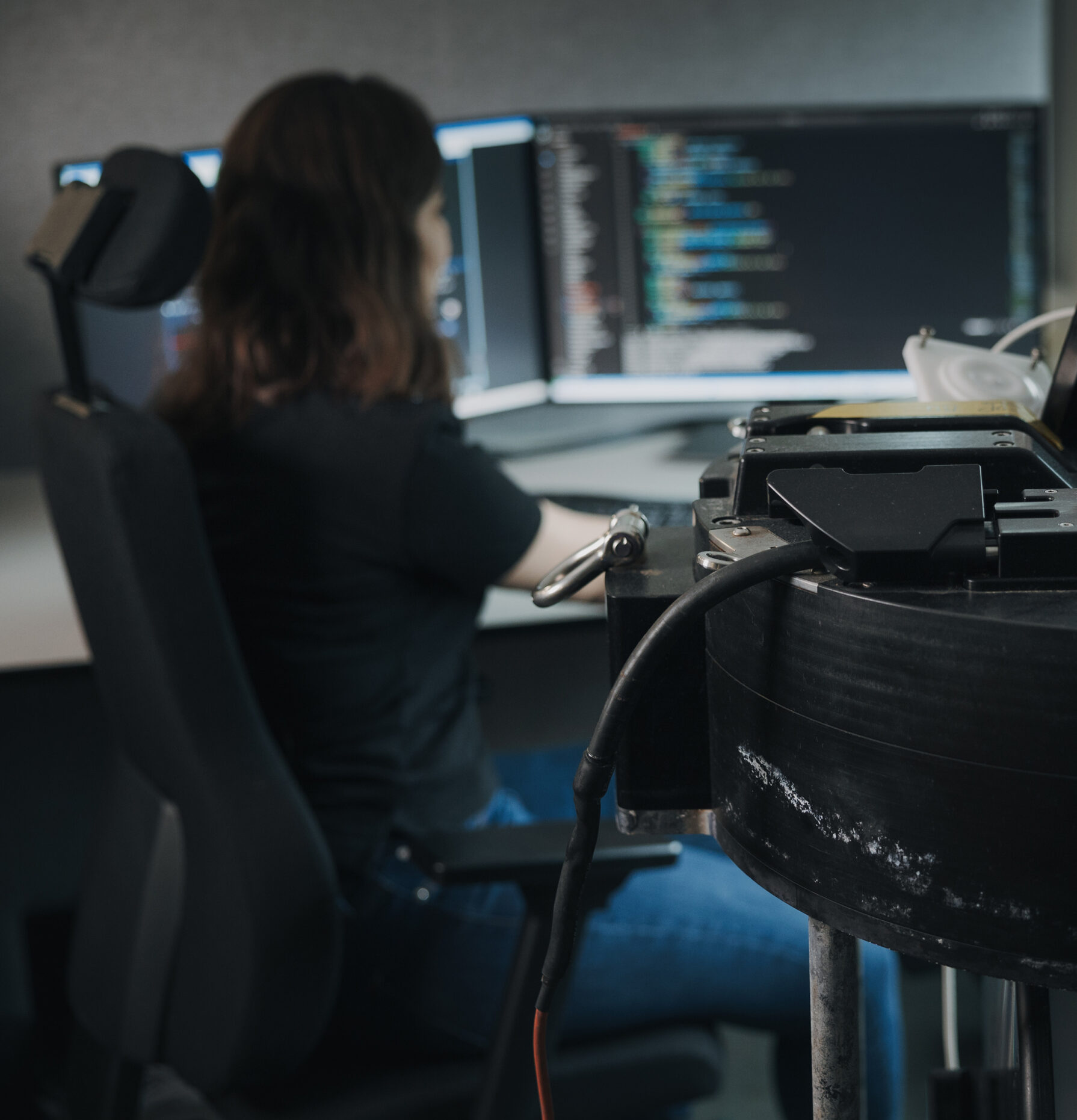
This one is easy to miss: the Stingray software itself is built with resource efficiency in mind. Modular system design, reuse of code, and optimised data processing all reduce unnecessary computational load, hardware turnover and resource use across the system’s lifecycle. As Stingray’s cloud provider, AWS also supplies cloud carbon footprint reporting based on actual usage, giving visibility into the climate impact of the digital infrastructure behind the system, not just the physical hardware.
What this adds up to
Together, these four capabilities support reduced treatment intensity, longer hardware lifetime, continuous optimisation of biological and operational performance, and more preventive, data-driven aquaculture management. None of that shows up if you’re only looking at the laser.