
What the LCA found
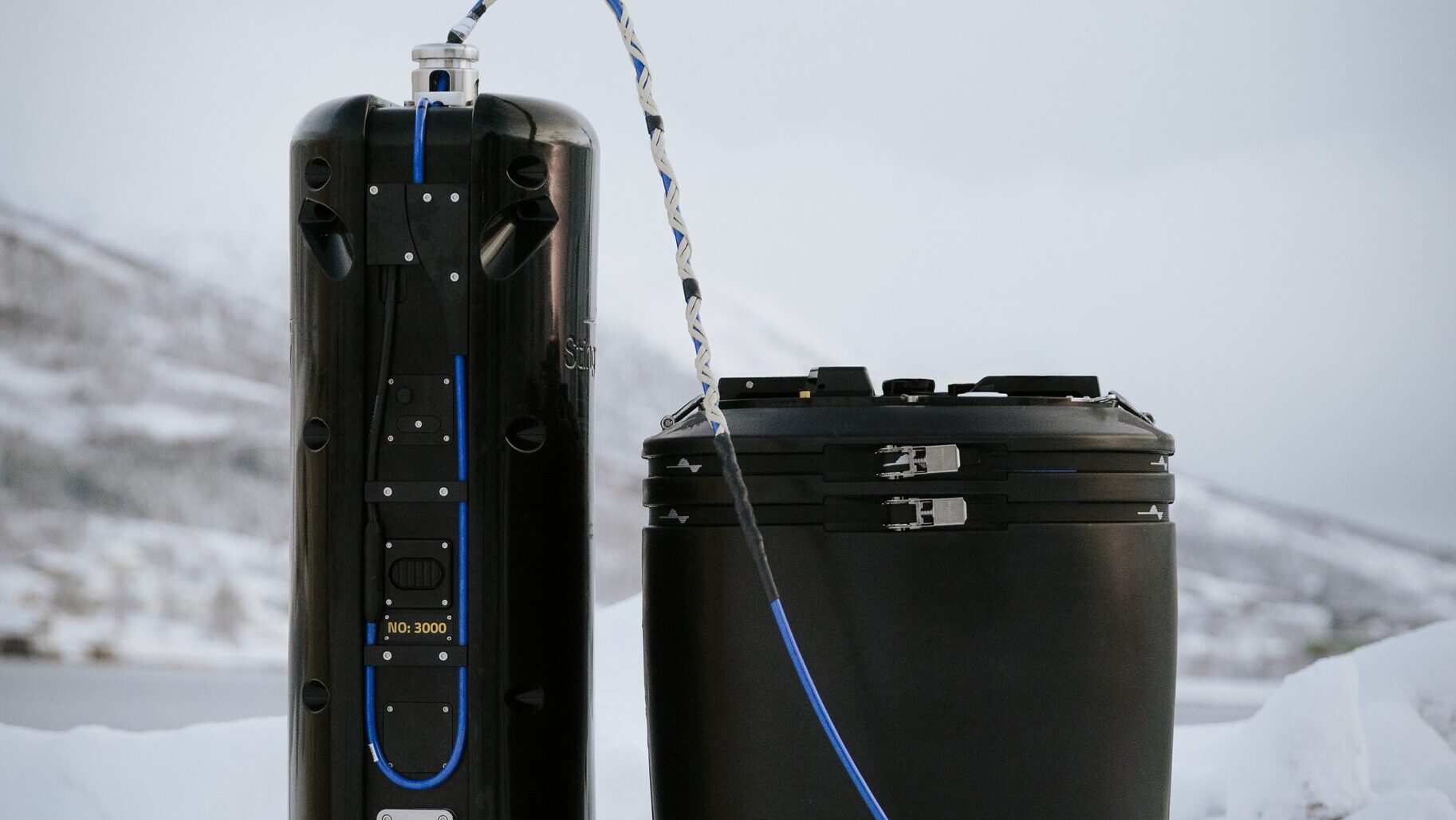
The Stingray node weighs 356 kg and contains over 800 components comprising more than 3,000 individual parts. Until 2025, Stingray did not have a complete material-level picture of what those parts were made of or where the environmental footprint was concentrated. The Life Cycle Assessment mapped every component by weight, material composition and environmental impact.
The result: 8.1 tCO₂e per node across its full lifecycle, covering raw materials, manufacturing, transport, operational use and end of life. 80% of a node’s total mass is recyclable or reusable at end of life.
What an EPD is and why it matters
An Environmental Product Declaration is a standardised, third-party verified summary of a product’s environmental profile. It is the document that allows your suppliers’ emissions to be calculated with actual data rather than spend-based estimates, which matters because spend-based Scope 3 figures are increasingly challenged in assurance processes and certification audits.
If you are reporting Scope 3 Category 1 (purchased goods and services) and Stingray equipment is part of your technology procurement, you can use Stingray’s EPD to replace spend-based estimates with verified activity data. That improves both accuracy and your data quality score. Download the EPD here.
What 80% recyclability means in practice
Aluminium (29% of node weight) is recovered at 100%. The POM-C engineering polymer (26%) is managed under a closed-loop arrangement with Mitsubishi Chemical Advanced Materials, returned, reprocessed and reused. 90% of GPUs returned in 2025 were either reused internally or resold. These are documented recovery rates, not targets.
8.1 tCO₂e, verified lifecycle footprint per Stingray node.
80% of node mass recyclable or reusable at end of life.
Ask us for the Stingray EPD or LCA documentation to use in your own supply chain disclosures.
Request documentation here: sustainability@stingray.no