
Positioning: the physical task with a data problem attached
Positioning sounds like the least technical part of the system: making sure the node is angled correctly toward the fish. But correct positioning directly determines data quality.
Clean, well-positioned cameras produce representative image data, and representative data is what makes welfare monitoring reliable in the first place.
Get positioning wrong, and the most sophisticated detection model in the world is analysing an unrepresentative picture. Get it right, and treatment decisions become more precise, which means fewer unnecessary interventions.
Monitoring: keeping the system running
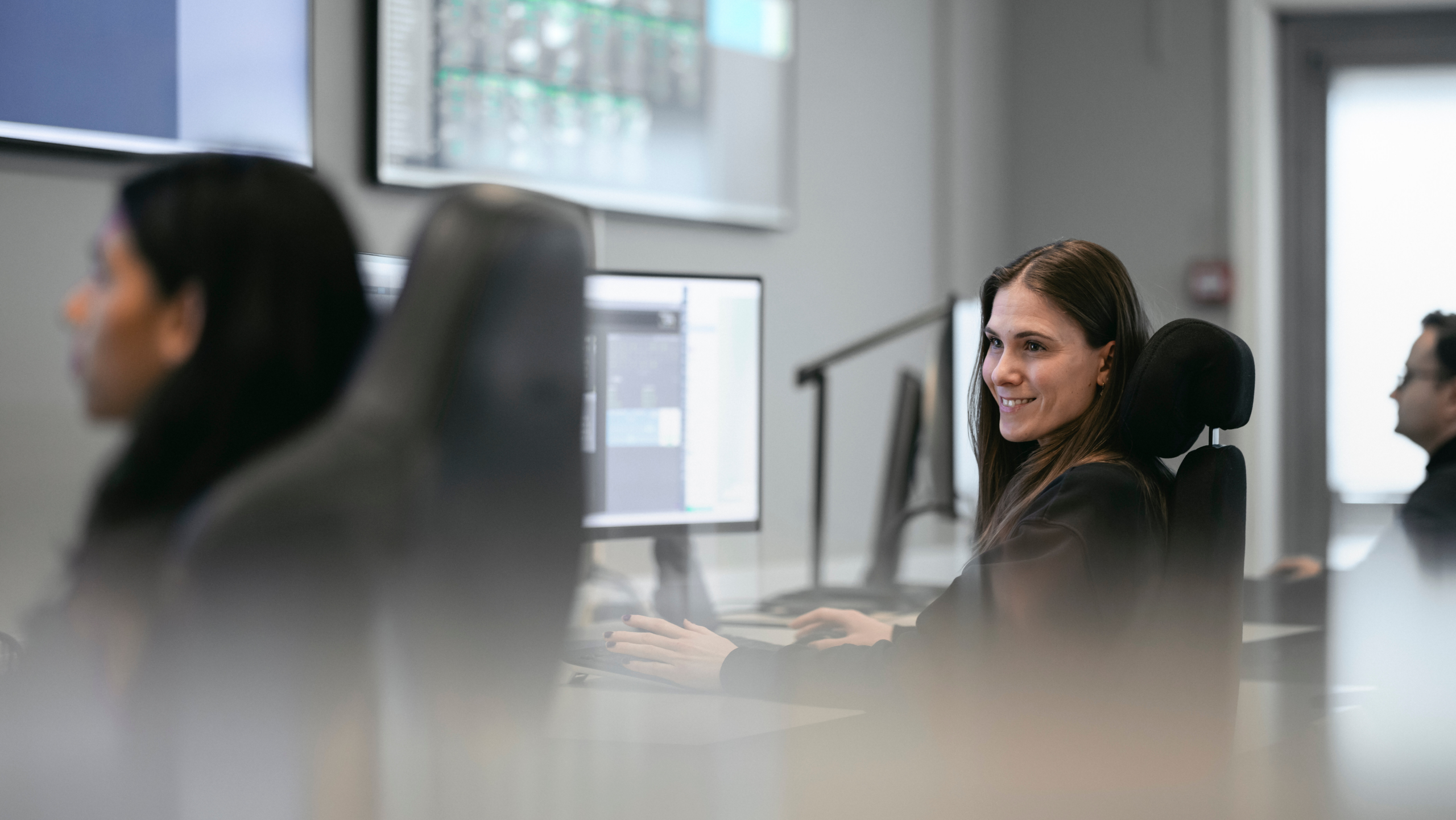
The monitoring team is the first operational layer across every active node, and the first point of contact for anything happening on site – like a technical fault, a new installation and any other service need.
If something can be resolved remotely, it is. If not, there is a process of on-site to in-field to in-house service. If a fault happens repeatedly, it is flagged for product development.
Over time, this is what keeps fault rates falling as the fleet grows. The sustainability link here is straightforward – every fault resolved remotely, or designed out entirely, is one fewer service trip, one fewer replacement part, and longer working life for hardware already in the water.
Academy: efficiency you don’t get from technology alone
Academy builds your team’s own competence and independence through training and operational guidance. This matters because a well-understood system is used more efficiently.
The best positioning process and the most responsive monitoring team still depend on your own team knowing what to do with what the system is telling you.
Performance = efficiency
Individually, Monitoring, Positioning and Academy sound like support functions. Together, they’re producing stable system performance, representative and reliable welfare data, continuous product optimisation, and reduced treatment intensity over time. It’s essential for us that the equipment is working at 100%.
Control are the first to notice any climate- or nature-related impacts. If visibility is poorer due to algae, meltwater or waves, this is the group who sees it first. As these impacts increase, that visibility and early notification is expected to matter more, not less. The efficiency and welfare outcomes you might attribute to the laser or the software are, in practice, dependent on this layer working well on your specific sites. It’s a less visible part of the system than the technology itself, but it’s where a lot of the actual performance gets created.
Want to understand how Control’s work on your own sites feeds into your welfare and efficiency reporting?
Get in touch: sustainability@stingray.no